
Create a Wallet
Create or import an account in a trusted environment, then confirm the active network.
Read guide →A multi-chain wallet, blockchain network and Web3 knowledge hub from imtoken
Understand multi-chain assets, network selection, sending and receiving, DApp connections, approvals, network knowledge and wallet security in one clear learning path.
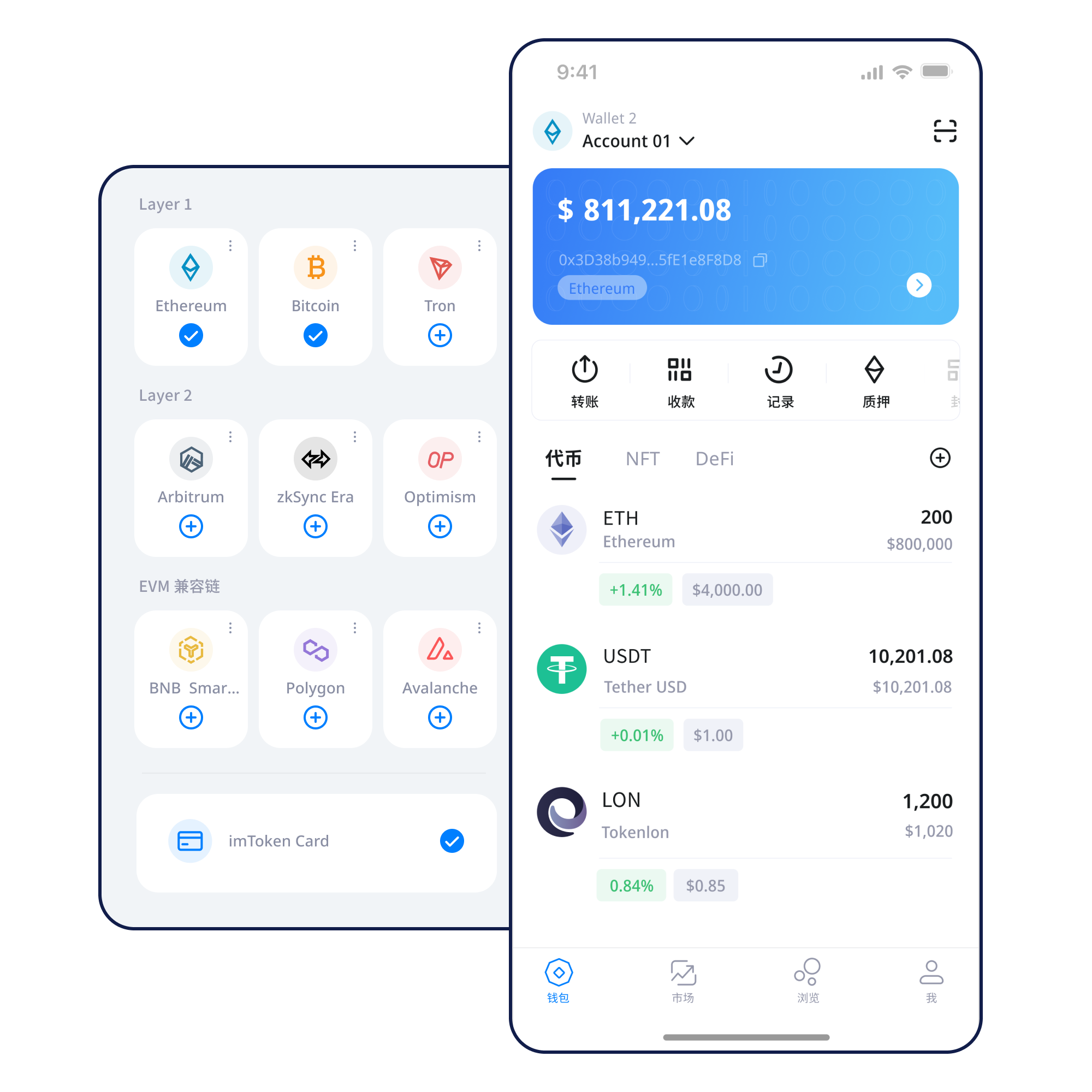
Five common actions, each with the verification point that matters most.
Create or import an account in a trusted environment, then confirm the active network.
Read guide →Write down recovery material offline and never send it through chat or cloud storage.
Read guide →Confirm receiving network and address before sharing it.
Read guide →Verify destination, network, amount and fee before signing.
Read guide →Check the domain, account request, signature and approval scope separately.
Read guide →Asset management, mobile use, browser connections and security have different roles and deserve different emphasis.
Compare networks, verify addresses and understand confirmations before moving assets.
View assets, manage networks and review transaction history.
Review account requests, approvals and session state in the browser.
Keep recovery material offline, review signatures and manage persistent DApp permissions.
Compare what each concept changes in practice.
A multi-chain wallet can interact with several networks, but balances, histories and fees remain network-specific.
Learn more →
Public chains use distributed nodes, blocks and consensus rules to maintain a shared ledger.
Learn more →
EVM networks share a contract execution model, while balances and approvals remain network-specific.
Learn more →
Layer 2 processes more activity away from mainnet and can involve extra bridging and withdrawal stages.
Learn more →
Gas is a network resource cost; fees and confirmation time change with demand and transaction complexity.
Learn more →Security checks stay inside the workflow rather than being added later.
Use the official download entry and avoid unknown mirrors.
Use a trusted environment and confirm the selected account.
Keep the seed phrase offline and never disclose private keys.
Confirm the network before transfers or contract interactions.
Verify address, amount and network fee before signing.
Track by transaction hash and revoke permissions you no longer need.
A connection is only the beginning; each signature and approval has its own purpose and risk.
Open the intended service from a trusted entry point.
Check spelling and context before connecting.
Review the account and network request.
Only expose what is needed.
Read each request independently.
Confirm expected on-chain effect.
Close unused sessions and review persistent approvals.
Wallet security comes from private recovery material, verified destinations, reviewed permissions and a controlled device and network. Confirmed transactions are normally not reversible by the wallet alone.
Open the security center →Learn addresses, seed phrases, private keys, networks, Gas, transaction hashes, DApps and approvals as one connected model.
Read the full guide →How nodes, blocks and confirmations describe transaction state.
Why Gas, contract methods and approvals matter.
How Layer 2 relates to mainnet and bridges.
Understand spenders, limits and revocation.
Protect recovery material and review every request.
Plain-language explanations of common terms.
Learn mechanics, exits, penalties and technical risk before considering participation.
Rewards depend on protocol conditions and are not fixed or guaranteed.
Read basics →Validator penalties, waiting time, smart-contract risk, third-party services and asset-price volatility can all affect outcomes.
Understand validators →Content-first notices without invented dates, partnerships or market claims.
Review the network before asset actions.
Keep seed phrases and private keys offline.
Use the transaction hash to check on-chain status.
Revoke permissions you no longer need.
Short answers for common wallet, network and security decisions.
A digital wallet manages addresses and keys, reads on-chain assets, and builds or signs transactions. The asset record lives on the blockchain rather than simply inside an app interface.
No. Seed phrases and private keys should remain under your control, and official support should not request them.
A private key controls a specific account, while a seed phrase commonly restores a set of derived keys. Both are highly sensitive.
Assets can exist on different networks. The network determines where a transaction is executed, so sender and receiver must agree on the intended network.
Gas represents computation and storage used by on-chain execution. Actual fees vary with network conditions and transaction complexity.
It is the main reference used to look up transaction status, fees and contract calls in a block explorer.
A connection only opens an interaction channel. Every later signature, approval and transaction should still be reviewed independently.
No. A message signature may authorize login or another off-chain flow, while a transaction signature normally submits an on-chain state change.
Use the single download entry, then complete wallet setup, backup and security checks before moving assets.